Use case / Tool-calling agents
See what the model asked the world to do.
Models pick tools, invent arguments and loop. Record every call with its payload, result and cost so a rejected schema or a runaway loop stands out immediately.
- Arguments
- Recorded
- Loops
- Detected
- Cost
- Per call
Instrument it
See the arguments the model chose.
Wrap each tool and the exact payload, the result and every retry are recorded, so loops and rejected schemas stand out.
$ npm install tracify-sdk
import { observe, traceAgent } from "tracify-sdk";

const issueRefund = observe(async function issueRefund(args: { amount: number; currency: string }) {
  return payments.refund(args);
}, { type: "tool" });

export const agent = traceAgent(async (request: string) => {
  const call = await pickTool(request);
  return issueRefund(call.args);
});
Payload inspector
What the model asked the world to do.
Start from what the user asked and which tool the model reached for.
Selection is its own span, so wrong tool and wrong arguments are separate problems.
Schema failures show the exact payload that was rejected.
Repeated repairs are the loop. Count them and see what each one cost.
The final result is checked against the call that produced it.
- 01ok
Intent parsed
“Refund the last order.”
- 02ok
Tool selected
issue_refund, chosen from nine tools.
- 03rejected
Schema rejected
currency must be lowercase.
- 04ok
Arguments repaired
Retried four times before it worked.
- 05ok
Result verified
Refund confirmed, run cost $1.42.
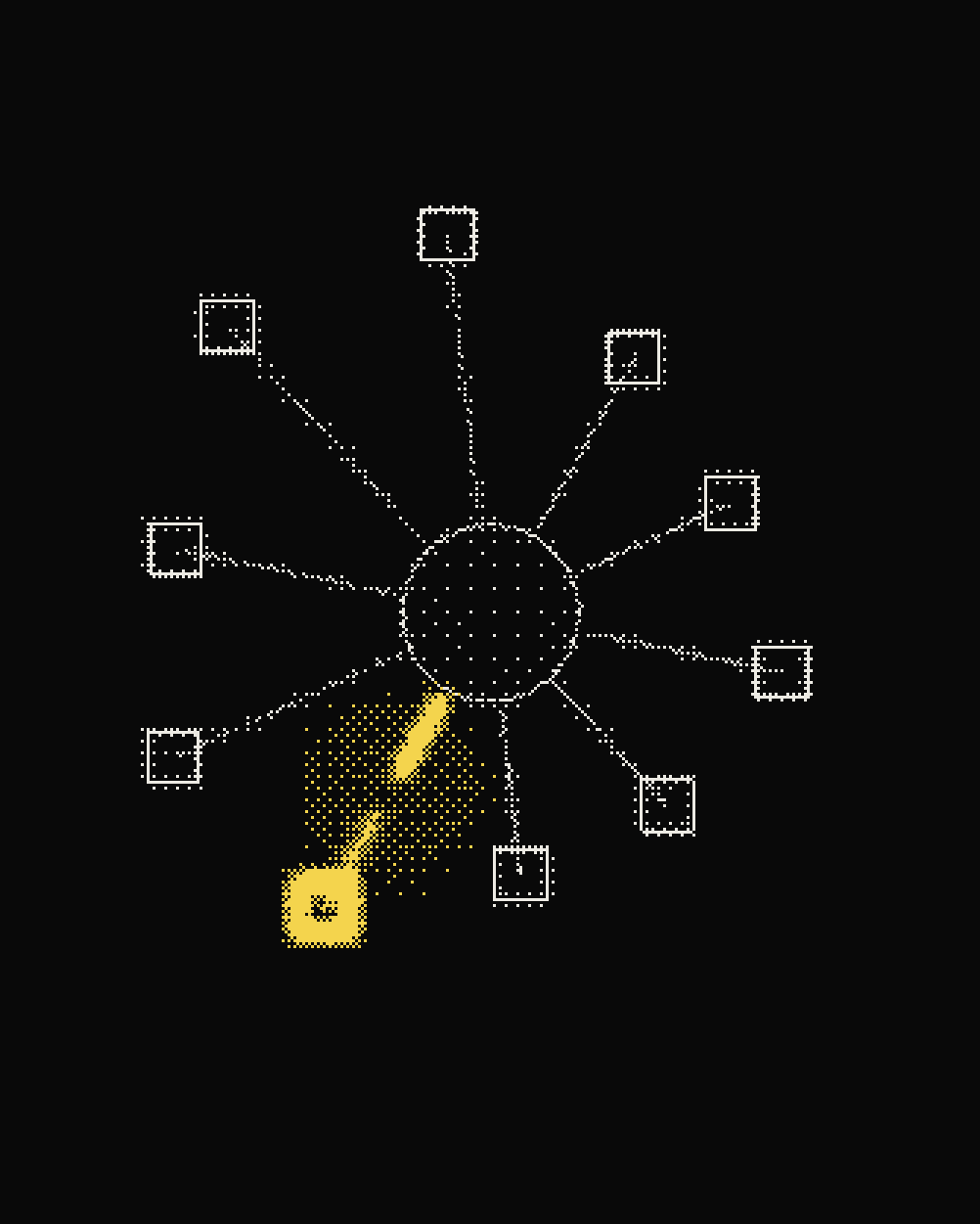
The failure to catch
A harmless-looking loop that turns into cost and latency.
Catch invalid arguments, permission failures, loops, and hidden cost across tool-using agents.
What you get
What Tracify watches.
Arguments
01Recorded on every run, so it can be searched, compared and alerted on.
Tool result
02Recorded on every run, so it can be searched, compared and alerted on.
Loop count
03Recorded on every run, so it can be searched, compared and alerted on.
Token cost
04Recorded on every run, so it can be searched, compared and alerted on.