Use case / MCP servers
See which tools your agent really used.
MCP lets an agent reach many tools. Trace each server call with its arguments, result and timing so one slow or failing server does not hide.
- Servers
- Per call
- Arguments
- Recorded
- Latency
- Measured
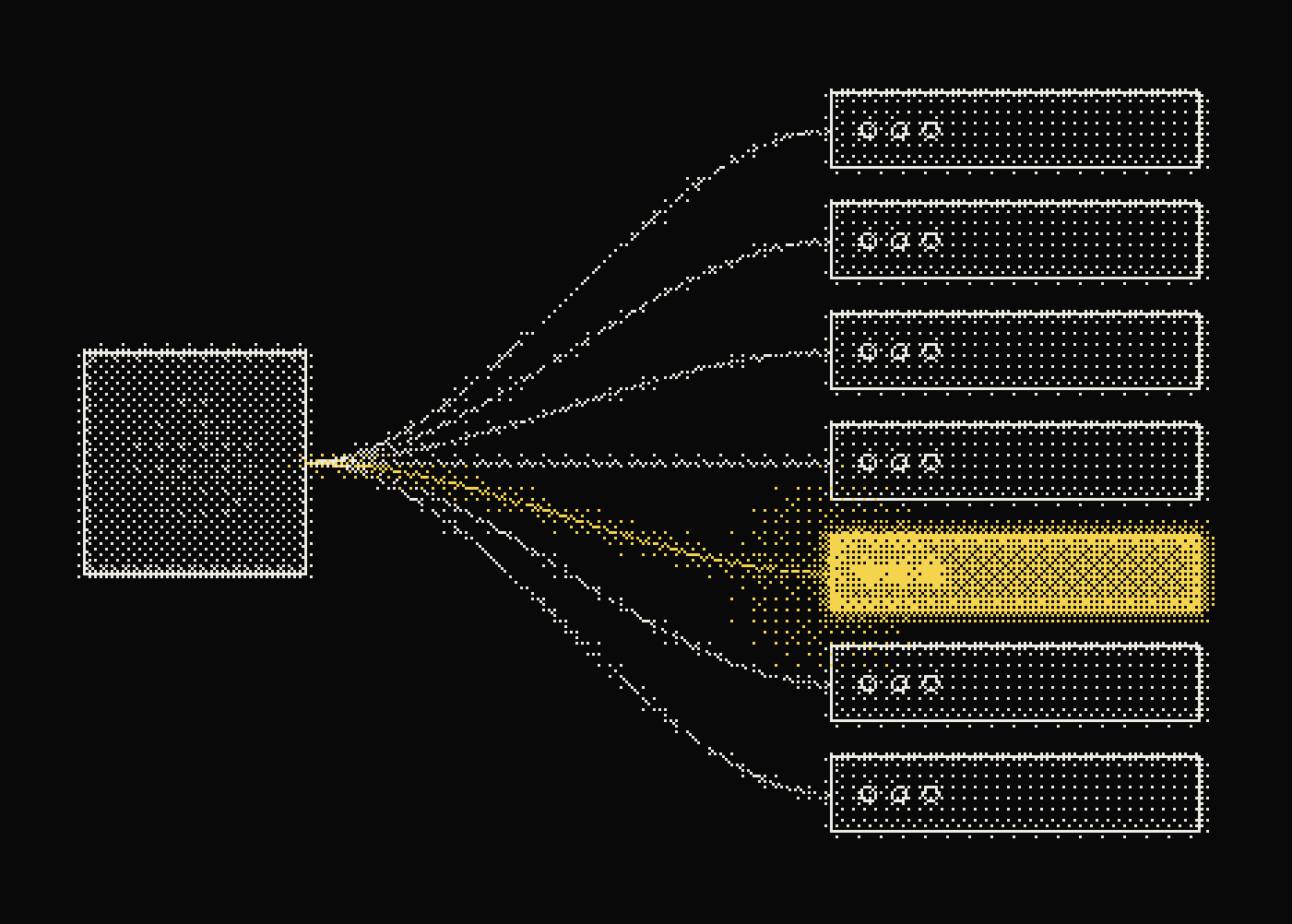

The failure to catch
One slow server stalling every run that touches it.
Trace calls to MCP servers and tools, with arguments, results and timing, so a slow or failing server is easy to spot.
Tool call record
Which server was slow.
The run records which tools were available.
Tool choice is its own span, separate from the call.
Arguments are stored exactly as the model produced them.
Timeouts name the server and tool that caused them.
Fallbacks show what the agent did without the answer.
- 01ok
Tools listed
Seven tools across three servers.
- 02ok
Tool chosen
search_tickets from the support server.
- 03ok
Server called
Arguments sent as the model wrote them.
- 04timed out
Call timed out
No answer after 30 seconds.
- 05ok
Fallback used
The agent answered without the tool.
Instrument it
Record every server call.
Wrap the call to an MCP tool and its arguments, result and timing are recorded, so a slow server stands out.
$ npm install tracify-sdk
import { observe, traceAgent } from "tracify-sdk";

const callMcpTool = observe(async function callMcpTool(server: string, tool: string, args: object) {
  return mcpClient.callTool({ server, name: tool, arguments: args });
}, { type: "tool" });

export const agent = traceAgent(async (request: string) => {
  const choice = await pickTool(request);
  return callMcpTool(choice.server, choice.tool, choice.args);
});
What you get
What Tracify watches.
Server and tool
01Recorded on every run, so it can be searched, compared and alerted on.
Arguments
02Recorded on every run, so it can be searched, compared and alerted on.
Call latency
03Recorded on every run, so it can be searched, compared and alerted on.
Errors
04Recorded on every run, so it can be searched, compared and alerted on.